AI’s Power Bill Is Becoming a Tech Industry Story
The next phase of the AI boom will be measured not only in chips and models, but in electricity, grid capacity and the pace at which data-centre demand can be served.
Rédaction · · 2 min
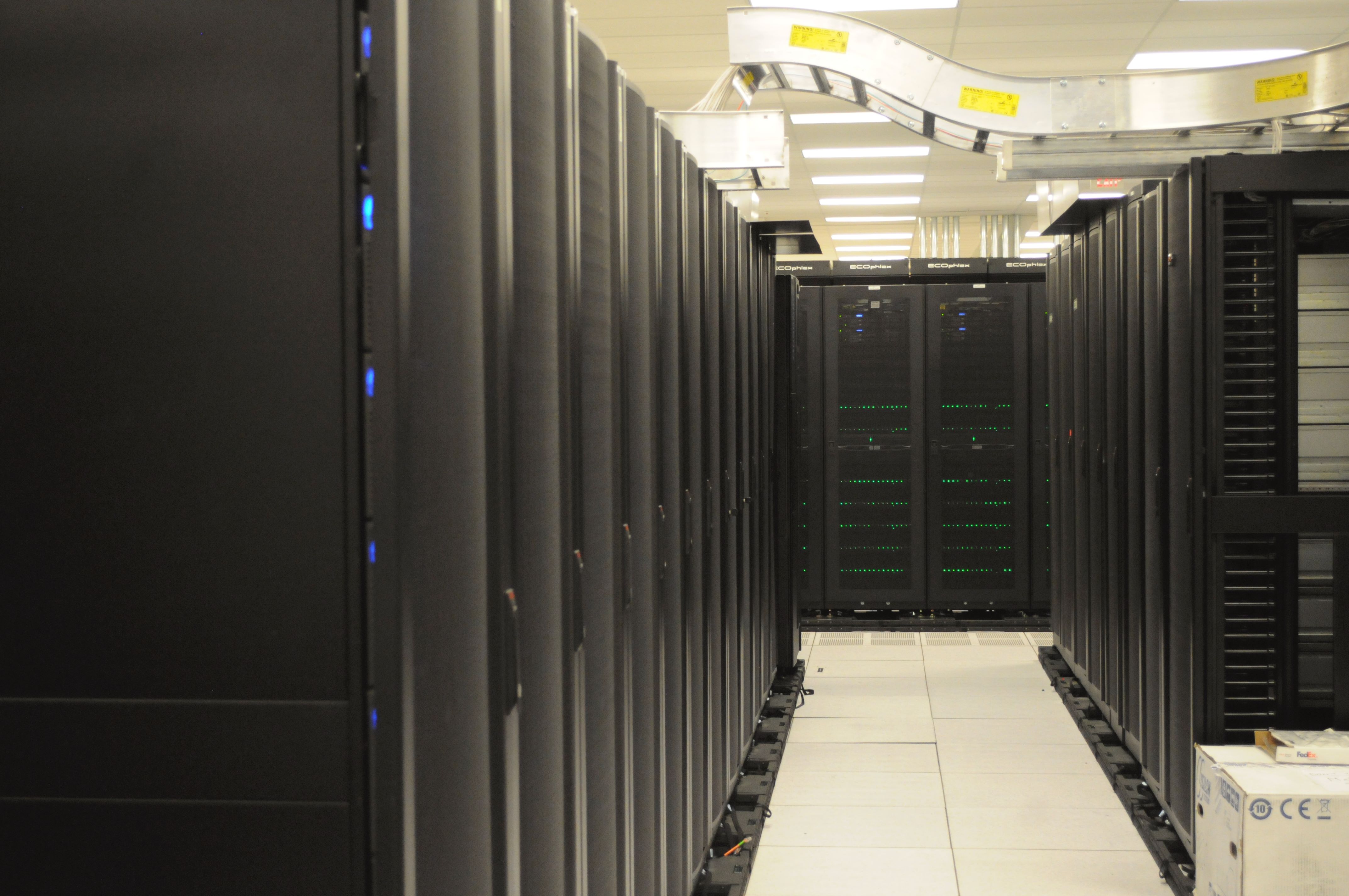
Artificial intelligence is often described as a software revolution. Its physical footprint is becoming harder to ignore. Training and serving models requires dense computing equipment, reliable power, cooling systems and, increasingly, negotiations with utilities and communities.
From model growth to infrastructure planning
The International Energy Agency’s 2026 analysis tracks how data-centre electricity use is changing as AI workloads expand. The report describes an industry whose energy needs depend on more than headline model size: chip efficiency, utilisation, cooling, network design and the location of new facilities all affect the total.
That makes power procurement a strategic issue for technology companies. A data centre can be financed and built faster than new transmission lines or generation capacity. Where grids are constrained, developers may face longer connection queues, higher costs or pressure to add on-site generation and storage. Those choices can shape where cloud providers locate capacity and what kinds of workloads they can promise customers.
Efficiency matters, but so does the rebound
More efficient accelerators and better software can reduce the electricity needed for a given task. Yet lower costs can also encourage more use: larger models, more frequent inference and new products that were previously uneconomic. Whether efficiency translates into lower overall demand therefore depends on how quickly usage expands.
The IEA’s report is useful because it treats AI energy demand as a scenario question rather than a single forecast. Outcomes vary with the pace of data-centre construction, hardware progress, utilisation and the supply of electricity. For investors and policymakers, the practical question is not simply whether AI consumes more power, but where that demand lands and how quickly infrastructure can respond.
A new competitive constraint
Power availability may become part of the competition between cloud regions and providers. Firms able to secure dependable electricity, cooling and grid access can bring capacity online sooner. That could favour operators with long-term infrastructure planning, while raising scrutiny of local costs, water use and emissions.
For the technology sector, the energy transition and AI build-out are now intertwined. Measuring both sides—computing delivered and resources consumed—will be essential to distinguish durable productivity gains from an infrastructure race whose costs are less visible in software demos.
Sources: International Energy Agency, Key Questions on Energy and AI.
Commentaires 0